
The modern business environment is no longer limited to simple product purchases. Companies require various technologies, systems, and equipment to work together seamlessly. This brings a critical approach to the forefront—system integration. A system integrator is much more than just a product-selling company. They are a strategic partner that transforms disparate technologies into a single, functional system and maximizes business efficiency. With the growth of industrial and technological projects in Russia, the demand for system integrators is rising rapidly.
What is a System Integrator? A system integrator is a company that combines various components—hardware, software, and technological solutions—into a cohesive, unified system. This process involves far more than just physical technical connections. The core objective is to ensure that all subsystems operate with high coordination and maximum efficiency. For example, in a manufacturing plant, machinery, sensors, control systems, and management software must all communicate flawlessly with one another.
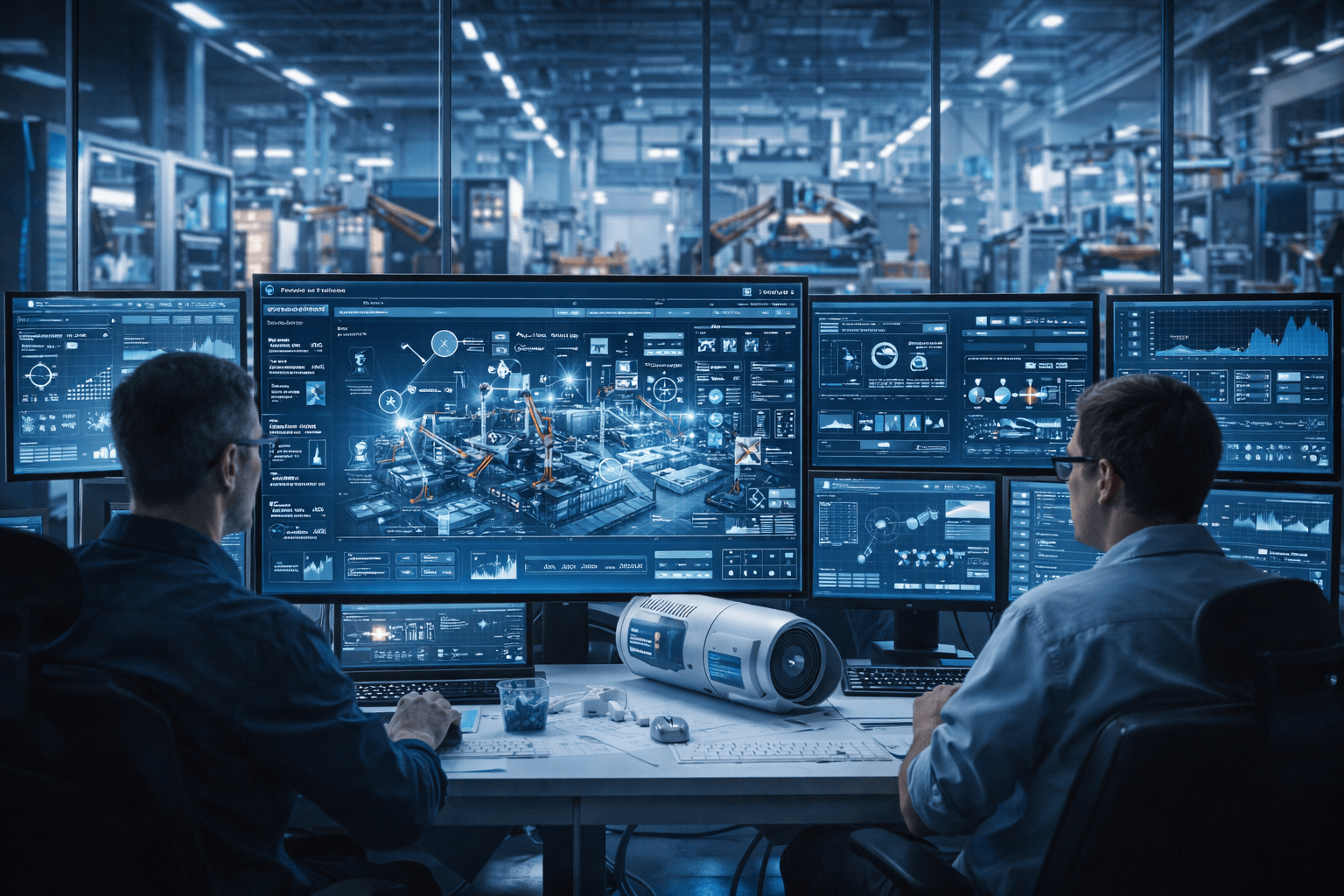
Why System Integration Matters In contemporary enterprises, technologies are becoming increasingly complex. Having isolated, standalone systems operating independently is no longer sufficient. Integrated systems deliver higher efficiency, fewer errors, and faster decision-making capabilities. Furthermore, integration drastically reduces operational expenses and enables more optimal resource utilization.
Core Functions of a System Integrator A system integrator is involved across all phases of a project:
- Analysis & Requirements Definition: Assessing client needs in the initial stage.
- Selection: Choosing compatible technologies, hardware, and software platforms.
- Integration: Unifying the selected components into a centralized operational framework.
- Testing & Optimization: Finalizing performance tuning and ensuring system reliability.
Industrial and IT Integration System integration bridges both industrial operational technology (OT) and IT environments. In the industrial sector, this means connecting machinery and production lines. In IT, it involves merging databases, servers, and enterprise software. The convergence of these two domains forms the foundation of "Smart Industry" and "Industry 4.0" concepts.
Most Common Mistakes
- Purchasing equipment and software independently without considering integration compatibility, leading to communication breakdowns between systems.
- Lacking centralized coordination when dealing with multiple fragmented vendors.