Laboratory equipment: correct selection, technical requirements, and B2B supply strategy
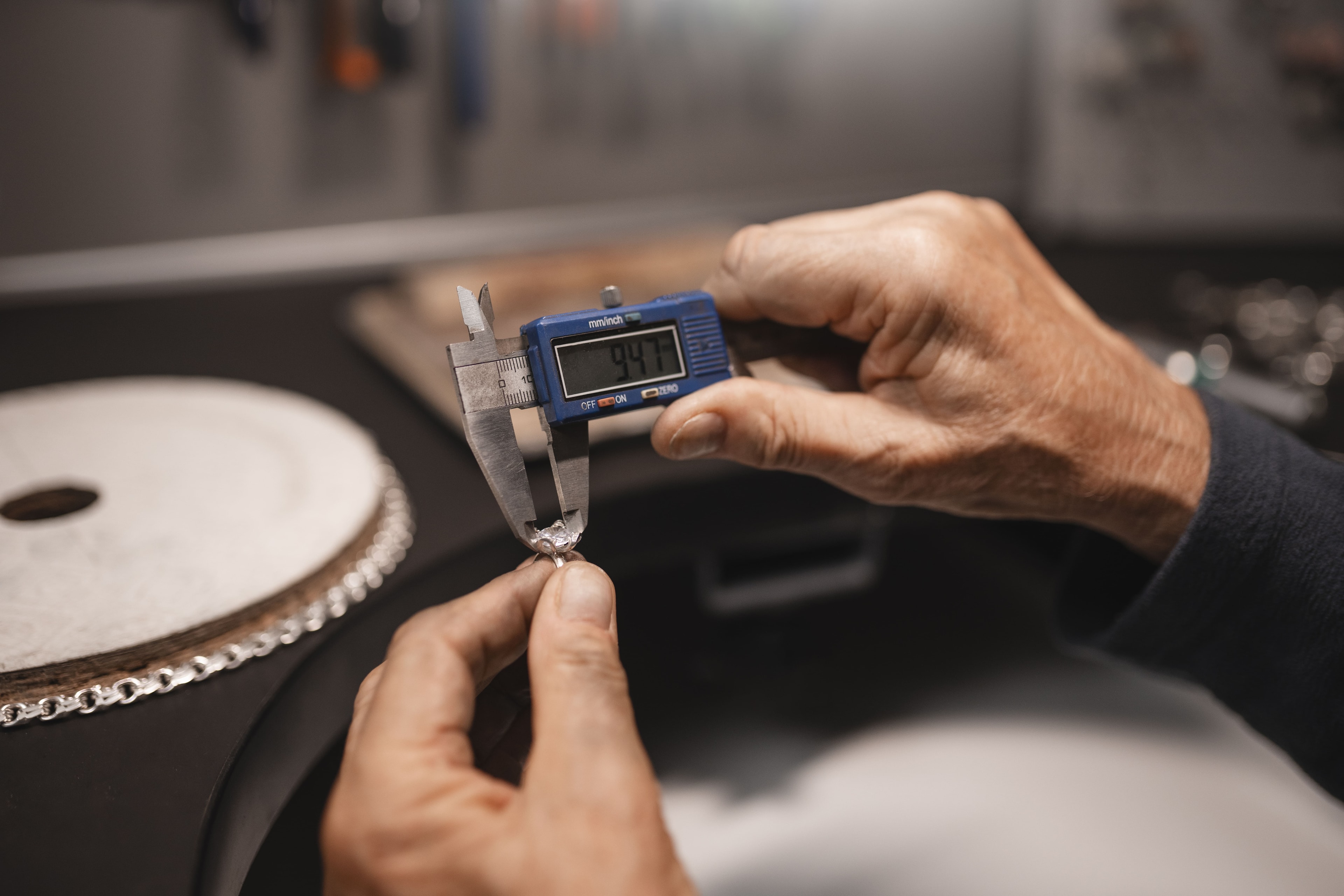
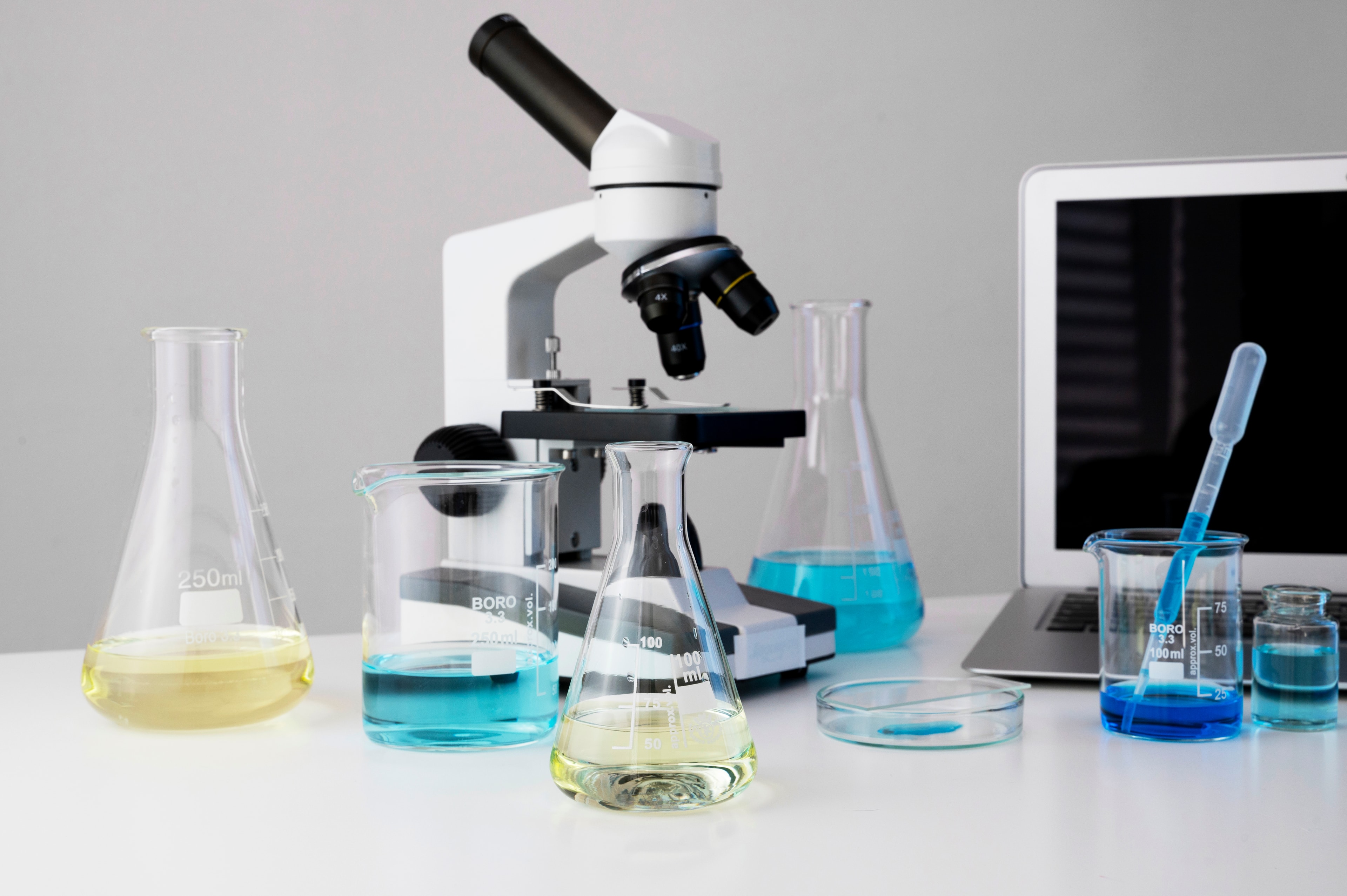
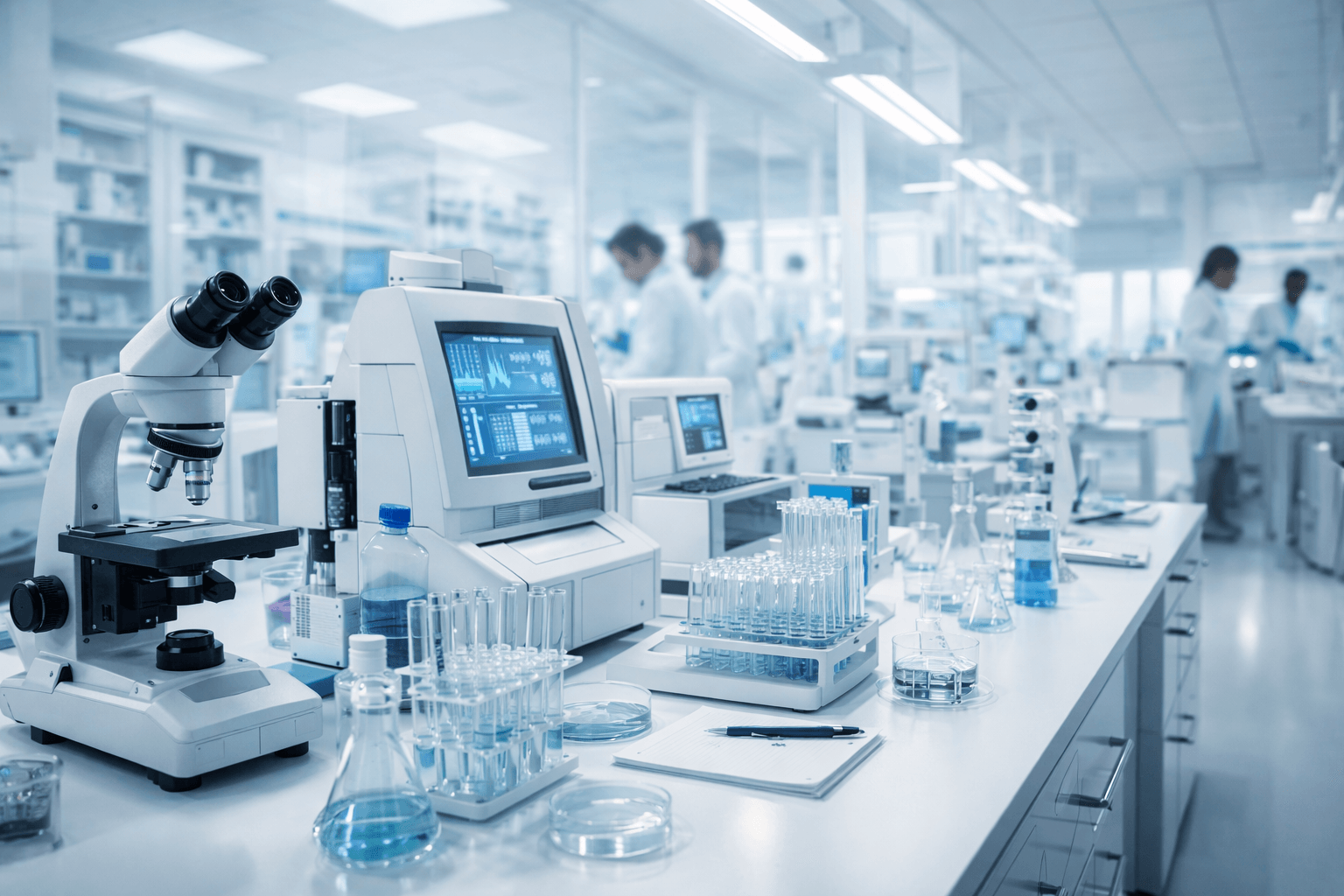
Laboratory equipment forms the core technological basis of modern industry, medicine, energy, ecology, and research sectors. These devices are not just tools used for measurement and analysis—they are critical instruments that shape the decision-making process. In recent years, the laboratory infrastructure in Russia has been developing significantly. Government projects, private sector investments, and industrial diversification are increasing the demand for laboratory equipment. Especially in the fields of oil and gas, food industry, pharmaceuticals, and construction materials, the role of precise analysis is growing stronger. However, unlike other industrial equipment, the selection of laboratory equipment requires higher precision, compliance with standards, and long-term stability. A wrongly chosen device can result not only in financial loss, but also in erroneous analysis results and, consequently, wrong strategic decisions.Main categories of laboratory equipment Laboratory equipment is divided into several main groups according to its functional purpose, and each group requires a different technical approach. Analytical equipment forms the core of the laboratory. This category includes spectrometers, chromatographs, analyzers, and other high-precision measuring devices. These devices are used for chemical, physical, and biological analyses and require high calibration precision. Preparation and processing equipment is used to prepare samples for analysis. This includes centrifuges, mixers, drying ovens, and homogenizers. This equipment directly affects the accuracy of analysis results. Storage and environmental equipment ensures the stable maintenance of laboratory conditions. Refrigerators, freezers, incubators, and climatic chambers fall into this category. Additionally, measuring and calibration devices, safety systems, and laboratory furniture are an integral part of the overall infrastructure.Key criteria during technical selection Because laboratory equipment selection requires high precision and compliance, the technical approach is of special importance here. The most important factor is measurement accuracy. Even minimal deviations in analytical devices can affect the reliability of results. Therefore, the compliance of the devices with international standards must be checked. Another crucial factor is calibration capabilities. Periodic calibration of the devices must be possible, and technical support must be available for this process. The operating environment must also be taken into account during selection. Factors such as temperature, humidity, and vibration can affect device performance. Furthermore, software and interface compatibility are also important. Since modern laboratories already operate with digital systems, devices must have the ability to integrate with LIMS and other systems.International standards and certificates Compliance with standards is a critical issue in laboratory equipment. The standards most widely used in this field are defined within the framework of ISO, IEC, and GLP (Good Laboratory Practice). Equipment used in medical and pharmaceutical fields must additionally possess FDA and CE certificates. These certificates confirm the safety and effectiveness of the device. In some cases, laboratory equipment imported into Russia may undergo additional checks regarding compliance with local standards. This must be taken into account as an additional phase in the import process.